What Do Clean Margins Mean After Cancer Surgery?
Waiting for pathology results after surgery is one of the hardest parts of treatment. The operation is over, but the answers aren’t in yet, and every phone call feels like it could be the one. We’d like to make that wait a little less confusing.
If you’ve seen the words “clean margins” and want to know what they mean after cancer surgery, here’s the short version. It’s usually good news, and this page explains why. We’ll also cover close and positive margins, what happens next for each, and how to say the terms aloud.
What are surgical margins in cancer?
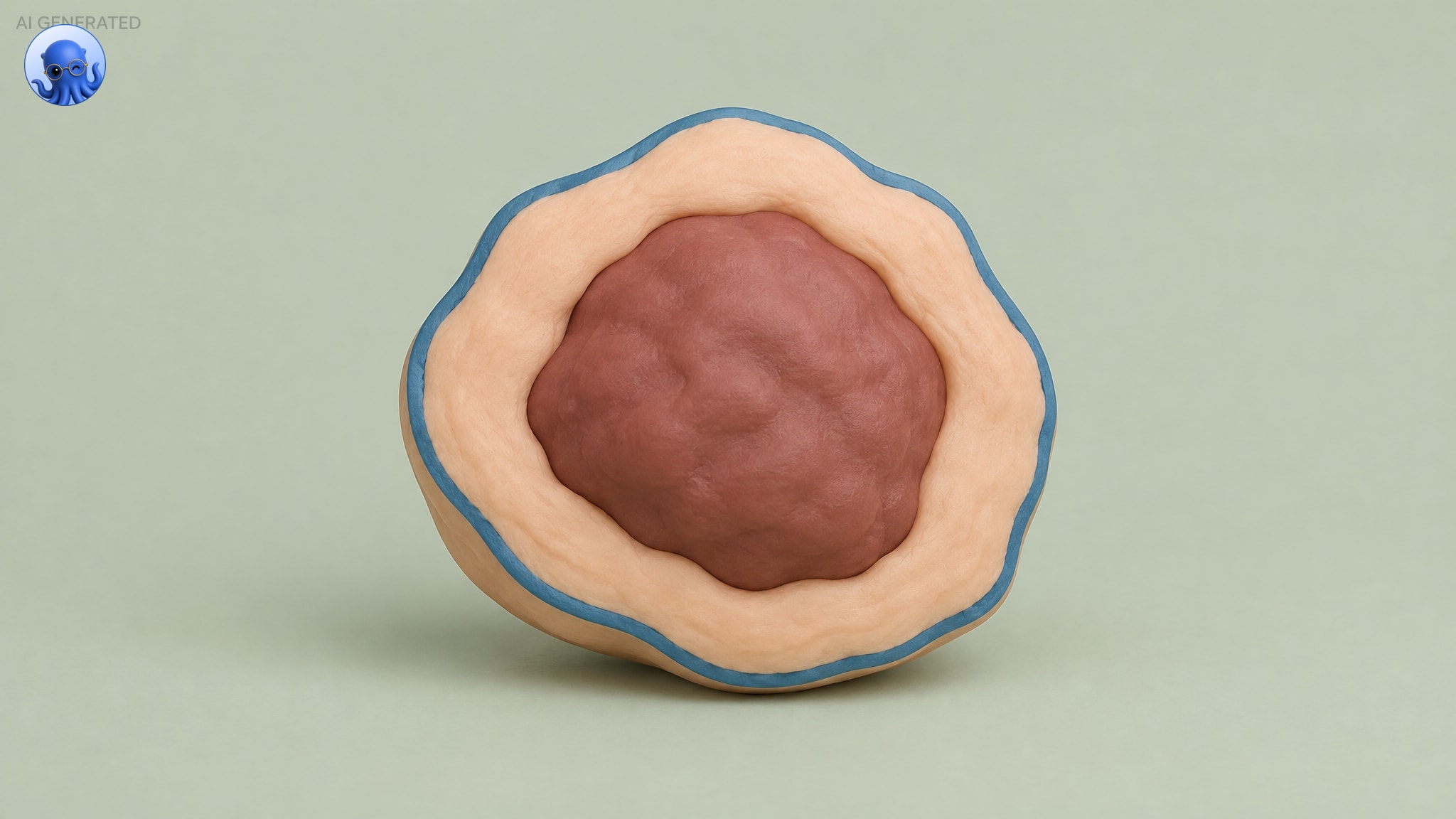
A surgical margin is the outer edge of the tissue your surgeon removed. When a surgeon takes out a tumor, they don’t remove only the tumor. They take a rim of healthy-looking tissue around it, and the outermost edge of that rim is the margin.
A pathologist, the doctor who studies tissue under a microscope, checks that edge for cancer cells. The question is simple: did the cancer stop inside the tissue that came out, or did it reach the border?
In many operations, the pathologist coats the outer surface of the removed tissue with ink before slicing it. Any cancer touching the inked edge then shows up clearly under the microscope.
The same idea applies to skin cancer. Removing a basal cell or squamous cell skin cancer also means taking a rim of normal-looking skin, and that rim gets checked in the same way. In Mohs surgery for some skin cancers, the surgeon examines the edges of each thin layer during the same operation and keeps removing tissue until the margins are clear.
Margin status on your pathology report
The margin status line is where the pathologist records what they found at the edges. It often sits in the final pathology report, which can take a while to finalize because the tissue has to be prepared, sliced and studied carefully. A slow report doesn’t mean something is wrong. It usually means the lab is being thorough.
Reports use a handful of words for margin status:
- Clean, clear or negative: no cancer cells reach the inked edge.
- Close: cancer cells are near the edge but don’t touch it.
- Positive or involved: cancer cells reach the edge.
Some reports give one overall answer. Others list each edge separately, such as the top, bottom, left, right and deep margins. If you see a mix on your report, that isn’t a mistake. It often means most edges were clean and one needs a closer look.
How to pronounce margin status and related terms
Hearing these words said out loud helps when you’re talking with your care team. Capital letters show the syllable to stress.
- Margin status: MAR-jin STAT-us
- Positive: PAHZ-ih-tiv
- Negative: NEG-uh-tiv
- Close: rhymes with “dose,” not with “owes.” It’s the “near” meaning, said the way you’d say “close the door.”
- Re-excision: ree-ek-SIH-zhun
- Pathologist: puh-THOL-uh-jist
If you want drug names next, our pronunciation guide for chemotherapy drug names works the same way.
What clean margins mean after cancer surgery
A clean margin means no cancer cells reach the inked edge of the tissue that was removed. The pathologist looked all the way around the sample and found healthy tissue between the tumor and the border, which is what surgeons hope to see.
Clean margins are good news for the operation itself. They tell you the surgeon most likely got the whole tumor out of that spot, though they don’t answer every question about your cancer.
Clean, clear, or negative: the same good news
These three words usually describe the same result. Different hospitals and pathologists simply prefer different wording, so one report says “clear” while another says “negative margins.”
The word “negative” trips people up because it sounds bad. In this setting, negative means the test found no cancer at the edge. Think of it as a “no” to the question “is cancer here?” and you’ll read it correctly.
If you’re unsure which word your report means, ask your team to confirm it in plain terms.
What happens next after a clean margin
With a clean margin, you generally don’t need more surgery for margin reasons. That is the main practical benefit.
What comes after surgery still depends on your cancer type and stage. Some people add hormone therapy, drug therapy or radiation to lower the chance of the cancer returning. Others simply have regular check-ups and scans. Your hormone receptor results, which can appear on the same report, often help shape that decision.
What close margins mean in cancer surgery
A close margin means cancer cells sit near the edge but don’t touch the ink. The cancer was almost, but not quite, at the border.
This is the result people find hardest to read, because it’s neither a clear yes nor a clear no. It’s also the one where your team has the most room to tailor the plan.
The usual options are re-excision, radiation or closer monitoring. Which one fits you depends on the details. A multidisciplinary team, often meeting as a tumor board, weighs the pathology report, the scans and your own priorities before recommending a step.
Why close has no single cutoff
No single distance counts as “close” for every cancer. A gap that’s reassuring in one type of cancer may call for more treatment in another, because tumors grow and spread differently depending on where they start.
Two people who both hear “close margins” can end up with different plans. The right step depends on the cancer type, where the tumor sat, and how much healthy tissue remains. Near a nerve or a major blood vessel, for example, a surgeon may not be able to take more tissue safely, so radiation might make more sense than a second operation.
Your team follows guidelines for your specific cancer. If you’d like to know what “close” means for yours, ask them to name the distance and explain why it matters.
What positive margins mean and what happens next
A positive margin means cancer cells reach the edge of the removed tissue. Because the cells touch the border, some tumor may remain in that spot in your body.
That sounds frightening, and it’s fair to feel shaken. But it helps to know what the result actually does and doesn’t say.
A positive margin is not a final verdict
Surgical oncology teams generally treat a positive margin as a reason to consider further treatment for the same area, such as re-excision or radiation. They don’t treat it as a final verdict.
It also doesn’t prove the surgery failed. It’s information, and it points your team toward the next step. Finding it now, while you’re still under close care, is much better than not knowing.
Re-excision surgery and other next steps
Re-excision is a second operation that takes more tissue from the same area. The surgeon goes back to the original site and removes another rim, and the pathologist checks that new sample the same way. The second sample can come back clear, and many people find that settles the question of that edge.
Re-excision isn’t the only path. Depending on the cancer type and where the tumor sat, your team may suggest radiation to treat the area instead. In some cases they may recommend closer monitoring. Each choice has trade-offs in recovery time, appearance and function, so it’s worth talking through what matters most to you.
Not every positive margin leads to a second surgery. Your team decides based on your cancer, not on the margin word alone.
Why margins matter for recurrence risk
Margins matter because they tell you about the local area, meaning the spot where the tumor grew. Everything else on your report fills in the rest of the picture.
What a clean edge tells you about the local area
Positive margins are linked with a higher chance of the cancer returning in the same place. Clean margins are linked with a lower chance of that happening. That’s the reason surgeons work so hard to get clean edges, and why a positive result gets a careful response.
A clean margin never guarantees the cancer won’t come back. It lowers one specific risk, and it doesn’t remove every risk.
What margins can’t tell you about spread
Margin status doesn’t measure cancer that may have reached lymph nodes or other organs. It only describes the edge of one piece of tissue. A person can have perfectly clean margins and still need more treatment, because the question of spread is answered by other results.
Those other results include lymph node findings. Node-negative results, for example, use the word “negative” in a different way from margins, and they answer a different question. Likewise, complete response describes how a tumor reacts to treatment, which is not the same thing as a surgical edge.
This is why you may still be offered drug therapy, hormone therapy or radiation after a clean margin. Those treatments work throughout the body, and margins can’t speak to that.
We can explain the terms, but we can’t tell you what your own result means for your plan. Only your care team can do that, because they can see all your results together.
Questions to ask your care team about your margins
A short list helps when you’re nervous and the appointment goes fast. Write these down or bring them on your phone:
- Was my margin status clean, close or positive?
- Were all the edges the same, or were particular edges involved? Which ones?
- If a margin was close, how close was it, and what does that distance mean for my type of cancer?
- Will a tumor board review my case?
- What is the next step, and is there more than one option?
- How do my margins fit with my other results, such as lymph nodes and receptors?
- What signs should I watch for, and when is my next check-up?
Many hospitals discuss cases at a tumor board, and it’s fine to ask whether yours will be. Our entry on tumor board review explains who sits at the table and how decisions get made.
You’re allowed to ask for the words to be repeated more slowly, or to have them written down. Bookmark this free glossary, and come back for the other terms on your report whenever you need them.
Frequently asked questions
What are margins in skin cancer?
Skin cancer margins work the same way as other surgical margins. The surgeon removes the cancer plus a rim of normal-looking skin, and a pathologist checks the outer edge for cancer cells. In Mohs surgery, the surgeon checks each thin layer during the same operation and keeps removing tissue until the margins are clear.
What are the chances of DCIS recurrence after mastectomy?
The chance is generally low, because a mastectomy removes most of the breast tissue where DCIS could return. It isn’t zero, since a small amount of tissue can remain. Your own risk depends on your margins and the details of your pathology report, so ask your surgeon what it means for you.
How do I sleep after a lumpectomy?
Many people find sleeping on their back with pillows for support more comfortable at first, because it keeps pressure off the surgical area. Your surgeon or nurse will give you instructions for your own incision, dressings and any drains. Follow those, and call the team if pain, swelling or redness increases.
How long does it take to recover from phyllodes tumor surgery?
Recovery depends on how much tissue was removed and the type of operation you had. A small excision usually means a shorter recovery than a larger operation. Your surgeon can give you a timeline that fits your case, and margin status matters here too, since a positive margin can lead to a second procedure.