Chemotherapy Side Effects Explained: What to Expect
If you’re supporting someone through cancer treatment, or going through it yourself, understanding chemotherapy side effects can make the experience feel far less frightening. Most medical resources hand you a list of symptoms and leave it there. This article goes further: it explains why these effects happen, what to expect over the course of a treatment cycle, and what caregivers can do right now to help.
What Chemotherapy Actually Does to the Body
Chemotherapy drugs work by targeting cells that divide rapidly. Cancer cells divide fast and uncontrollably, that’s what makes them dangerous. But the drugs can’t always tell the difference between a cancer cell and a healthy one that also divides quickly. So they attack both.
Why healthy cells get caught in the crossfire
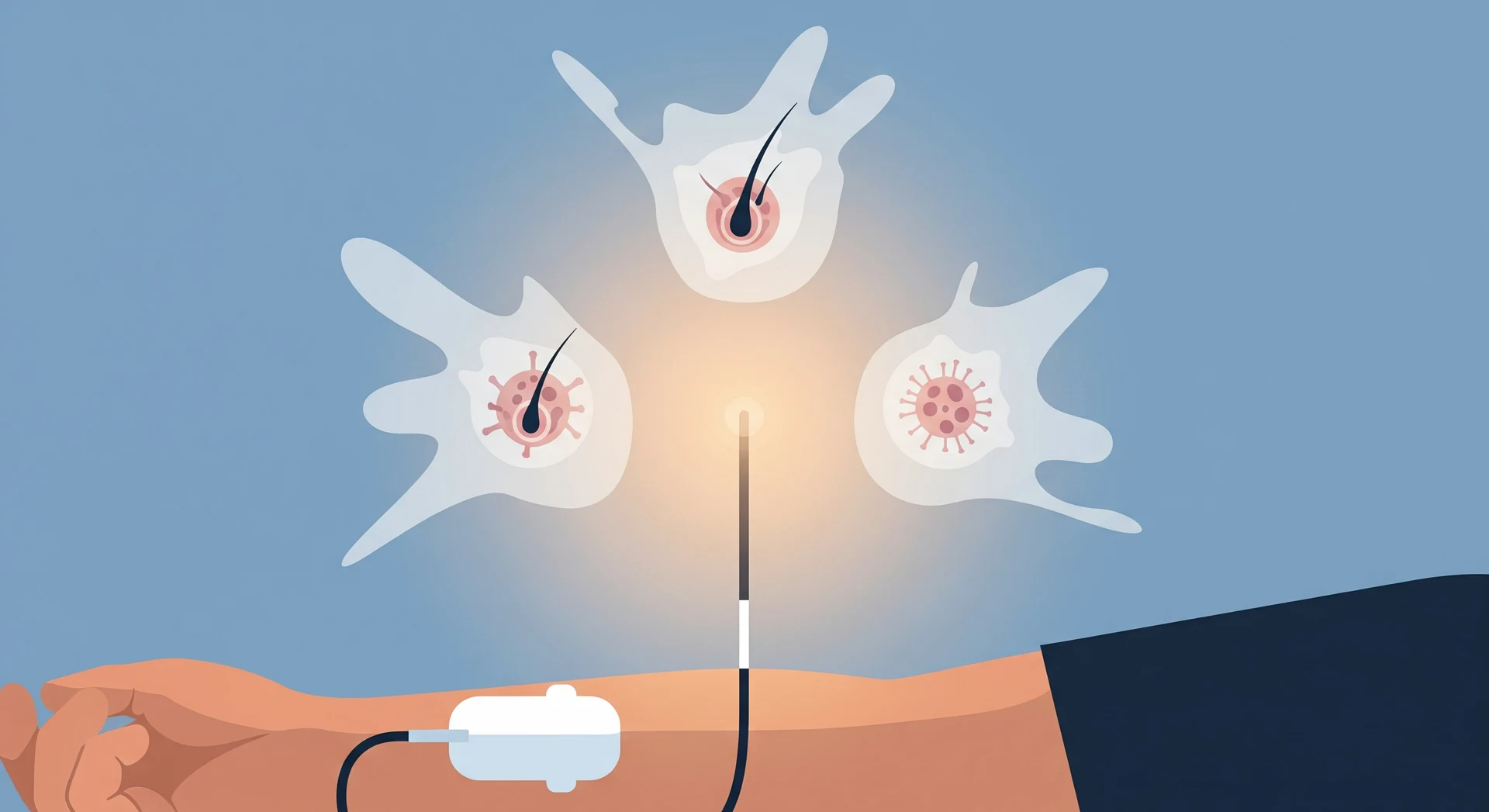
Your body contains several populations of fast-dividing healthy cells: the lining of your gut, the follicles that grow your hair, and the stem cells inside your bone marrow that produce blood cells. These cells are doing their normal jobs, renewing the gut wall, cycling hair growth, replenishing red and white blood cells, and chemotherapy drugs hit them too.
This is the single most important thing to understand about chemo side effects. They’re not signs that treatment is going wrong. They’re a predictable consequence of how the drugs work. Knowing that doesn’t make them easier to endure, but it does mean they can be anticipated, managed, and in many cases eased considerably.
The Most Common Chemotherapy Side Effects, and Why They Occur
Nausea from chemotherapy: what’s happening in the gut and brain
Nausea from chemotherapy has two main triggers, and both happen fast. First, chemo drugs irritate the gut lining directly, the same cells that get damaged release chemical signals that travel to the brain’s vomiting centre via the vagus nerve. Second, many drugs also trigger receptors in the brain’s chemoreceptor trigger zone, which monitors the bloodstream for toxins and activates nausea as a protective response.
The good news is that antiemetic protocols have transformed this experience over the past two decades. Drugs like ondansetron (a serotonin receptor blocker) and dexamethasone are now routinely given before infusion begins, not after nausea starts. This pre-emptive approach, standardised in guidelines from the American Society of Clinical Oncology (ASCO), has made chemotherapy far more tolerable than it was for earlier generations of patients. If nausea is still breaking through, tell the oncology team. There are multiple drug classes available, and finding the right combination is normal.
Hair loss during chemotherapy: why it happens and when hair returns
Hair follicle cells are among the fastest-dividing cells in the body. Chemotherapy drugs (particularly those in the taxane and anthracycline families) disrupt this rapid division, causing follicles to enter a premature resting phase. The hair shaft weakens and falls out, usually beginning two to four weeks after treatment starts.
This is called alopecia, and for many patients it’s one of the most emotionally difficult side effects. It’s almost always temporary. Hair typically begins to regrow within four to six weeks of the final treatment cycle, though the texture and colour can be slightly different at first.
Scalp cooling (often called cold cap therapy) is a clinically established option that reduces blood flow to the scalp during infusion, limiting how much drug reaches the follicles. Many major cancer centres now offer it as part of standard supportive care. It doesn’t work for every drug regimen, so ask the oncology team whether it’s suitable.
Chemotherapy fatigue: more than just being tired
Chemotherapy-related fatigue is one of the most under-communicated side effects, partly because the word “tired” doesn’t capture it. Patients often describe it as a profound heaviness that doesn’t lift with sleep, you can rest all day and still feel depleted.
Several mechanisms overlap here. Bone marrow suppression reduces red blood cell production, leading to anaemia and reduced oxygen delivery to tissues. Systemic inflammation adds to the load. Disrupted sleep and the psychological weight of being in treatment compound both. The National Cancer Institute recognises cancer-related fatigue as a distinct clinical syndrome, separate from normal tiredness, precisely because it doesn’t respond to rest the way ordinary fatigue does.
Chemotherapy Side Effects Timeline: What to Expect Week by Week
Side effects don’t arrive all at once or stay constant. Understanding the general arc of a treatment cycle helps caregivers plan ahead rather than react to crises.
Days 1–3 after infusion are typically the most acute. Nausea is most likely in this window, especially in the first 24 hours. Fatigue may start to build, and some patients experience headaches or a general flu-like feeling as the drugs peak in the bloodstream.
Days 4–10 often bring a mid-cycle dip. This is when blood counts are falling, the bone marrow’s response to chemo damage lags by several days. Fatigue usually deepens here, and vulnerability to infection rises. This low point is what oncologists call the nadir (more on that term below).
Days 11 onward tend to bring gradual recovery as bone marrow activity picks up and drug levels drop. Many patients have a relative window of feeling better before the next cycle begins. This recovery period is real, use it for gentle activity, nutrition, and connection.
Because drug regimens vary widely, this arc looks different for every person. Use it as a framework for conversation with the oncology team, not a fixed schedule.
Managing Chemo Side Effects: Practical Strategies for Patients and Caregivers
Nutrition and hydration tips during treatment
Eating during chemotherapy can feel impossible on hard days, but small, consistent nutrition makes a real difference to energy and recovery.
- Eat small amounts frequently rather than full meals, three large meals often feel overwhelming when nausea is present.
- Cold or room-temperature foods tend to be better tolerated than hot dishes, which can intensify nausea-triggering smells.
- Ginger, in tea, biscuits, or supplements, has genuine evidence behind it for reducing mild nausea alongside antiemetic medication.
- Hydration is critical. Vomiting and reduced appetite both deplete fluids fast. Water, diluted juice, and oral rehydration solutions all count. Keep a water bottle within reach at all times.
- Don’t push large meals on bad days. On the worst days after infusion, keeping something light down is enough. Focus on recovery, not nutritional targets.
For fatigue management, pacing is more effective than pushing through. Encourage the patient to identify their best-energy window each day and protect it for activities that matter most to them, even a short walk, a phone call, or something enjoyable.
Protecting against infection when immunity is low
During the nadir window, the white blood cell count (particularly neutrophils) drops to its lowest point. This is neutropenia, and it’s the period when an ordinary infection can become serious very quickly.
Practical steps for caregivers and patients:
- Hand hygiene is the single most effective protection. Wash hands thoroughly before food, after being outside, and before contact with the patient.
- Avoid large crowds and people with active infections during the nadir window.
- Check for fever daily. A temperature above 38°C (100.4°F) during neutropenia is a medical emergency, see the section below.
- Keep the home clean but avoid harsh chemical cleaners around a patient whose gut lining is already compromised.
The oncology team has tools to support this, including growth factor injections that stimulate white blood cell recovery. Normalise asking for them.
When to Call the Oncology Team
Knowing when to act quickly is one of the most valuable things a caregiver can learn. Contact the oncology team immediately, don’t wait until morning, if you notice any of the following:
- Fever above 38°C (100.4°F) during a neutropenic period. This is called febrile neutropenia and requires urgent assessment.
- Severe or uncontrolled vomiting that prevents keeping down fluids or medication for more than a few hours.
- Signs of infection, redness, warmth, swelling, or discharge around a central line or any wound.
- Unusual bruising, bleeding, or a rash that appears suddenly.
- Severe shortness of breath or chest pain.
- Confusion or extreme weakness that comes on suddenly.
Calling feels daunting for many patients and caregivers, there’s a worry about being seen as overreacting. You’re not. Oncology teams expect these calls and have out-of-hours pathways specifically for them. Acting early keeps people out of hospital.
A Note on Language: Oncology Terms You May Hear
Treatment conversations move fast, and unfamiliar words can make an already stressful situation feel even harder. Here are four terms that come up frequently alongside discussions of chemotherapy side effects. If you want to go deeper on pronunciation and plain-language definitions, our glossary covers how to pronounce common cancer terms like carcinoma and dozens more.
Nadir, the point in a treatment cycle when blood counts are at their lowest, usually occurring several days after infusion; the highest-risk window for infection.
Neutropenia, an abnormally low level of neutrophils (a type of white blood cell), which significantly reduces the body’s ability to fight infection.
Alopecia, the medical term for hair loss; in the context of chemotherapy, it refers to the temporary loss of scalp and body hair caused by drug effects on rapidly dividing follicle cells.
Antiemetic, a drug given to prevent or reduce nausea and vomiting; antiemetics are now a standard part of most chemotherapy protocols and are typically given before treatment begins.
Understanding these words helps patients and caregivers ask better questions and advocate more confidently at every appointment. Bookmark the CancerTerminology.com glossary and come back to it whenever a new word appears in a letter, a scan result, or a conversation with the oncology team. It’s free, it’s always available, and it’s written for exactly this moment.