What Port Placement Surgery Involves: Before, During, After
Facing a new medical device can feel as daunting as the diagnosis itself, but understanding the logistics often eases the fear. You might have already looked up how to pronounce chemotherapy port and now need to understand the physical reality of getting one. This guide walks through the procedure itself, the part the pronunciation entry doesn’t cover.
Knowing exactly what will happen to your body is a form of control that belongs to you, not just your surgical team. This resource explains the standard surgical process and recovery expectations for most adults. It doesn’t replace the specific pre-operative instructions or personalized risk assessments from your own interventional radiologist or oncologist.
What Port Placement Surgery Involves: A Plain-Language Definition
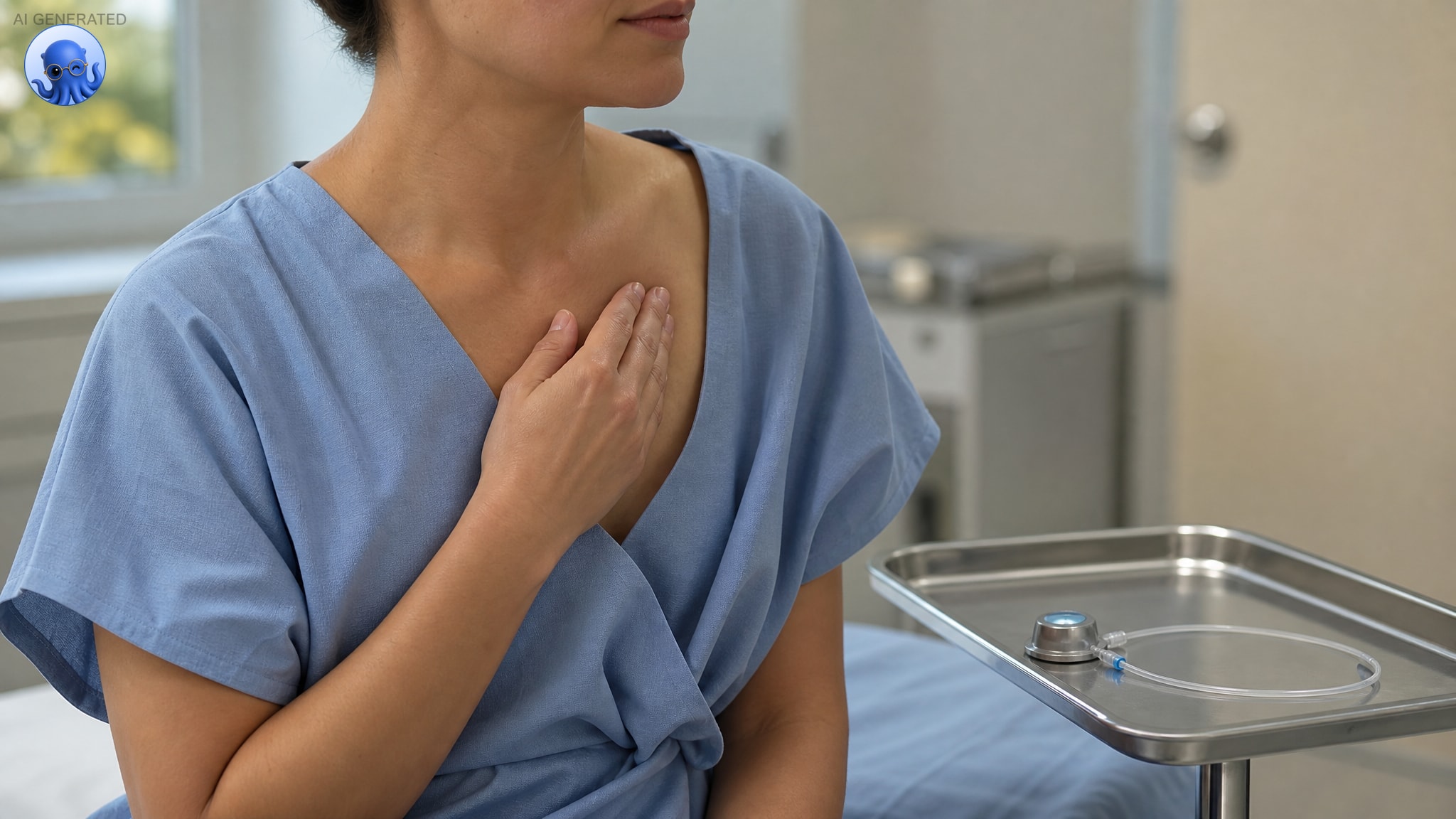
Port placement surgery is a minor outpatient procedure. A surgeon implants a central venous access device entirely under the skin, usually just below the collarbone. The device has two parts: a small metal or plastic portal that sits in a pocket beneath the skin, and a thin catheter that threads into a large vein leading toward the heart. Because the whole system stays internal, there are no external tubes or dressings to manage between treatments.
When you ask what port placement surgery involves, the answer comes down to this: it creates a durable, hidden gateway for medications like targeted therapy or chemotherapy. It turns repeated needle sticks into a single, protected access point that spares your peripheral veins.
Preparing for Port-A-Cath Surgery: What to Expect Beforehand
Preparation focuses on safety checks, not physical conditioning, which fits a procedure this minor. Most facilities require you to fast for six to eight hours before your scheduled time, to prevent aspiration during sedation. Clear liquids may be allowed up to two hours prior, depending on your anesthesia protocol.
Pre-operative instructions and fasting guidelines
Administrative tasks dominate the pre-surgery phase, because verifying your baseline health prevents avoidable complications in the operating suite. A pre-admission nurse will likely call to review your medical history, confirm your fasting window, and give you a specific arrival time based on whether your surgery is morning or afternoon.
That call also covers practical logistics, like arranging transportation home, since you can’t drive after sedation. Your care team wants you to have a safe place to go, so confirming a responsible adult escort is often a mandatory checkpoint before they finalize your booking.
Medication adjustments and blood work
Blood thinners and certain supplements need careful management before surgery, to balance clotting risk against your underlying cardiovascular needs. Your prescribing doctor will give you a precise schedule for stopping anticoagulants like warfarin or apixaban. That usually means pausing them several days ahead, with a shorter-acting bridge medication if needed.
Recent blood work confirms your platelet count and coagulation markers sit within safe ranges for an invasive procedure. If your counts run low from prior chemotherapy cycles or bone marrow involvement, your team may delay the surgery or give supportive treatment first.
Step-by-Step: How Long Does Port Placement Surgery Take?
Port placement is typically completed within thirty to sixty minutes as an outpatient procedure, and most patients go home the same day. The insertion itself takes up only a fraction of that window. The rest goes to sterile setup, imaging verification, and monitoring in recovery.
Anesthesia options: local vs. general sedation
Conscious sedation combined with local anesthesia is the standard of care for most adult port placements, since it avoids the recovery burden of general anesthesia. You keep breathing on your own and can respond to verbal cues, while medications like midazolam and fentanyl keep you relaxed and detached from the sensory details of the procedure.
Whether you get local or general sedation depends on your anxiety levels, pain tolerance, and anatomy, not surgical complexity. Some patients prefer deeper sedation to eliminate awareness entirely; others tolerate the procedure well with lighter medication and like the faster discharge that comes with less drug exposure.
The insertion process explained simply
The surgeon makes a small incision near the collarbone to create a pocket under the skin for the port reservoir, then uses ultrasound guidance to reach the target vein. You may feel pressure or tugging as the catheter advances. Sharp pain shouldn’t happen, because the local anesthetic numbs the tissue layers thoroughly.
Most port placements use fluoroscopic or ultrasound guidance to verify catheter tip position in real time, which cuts complication rates compared to blind insertion. This imaging check happens before the incision closes, confirming the catheter ends in the superior vena cava, where high blood flow rapidly dilutes infused medications.
Immediate post-procedure imaging verification
A chest X-ray or final fluoroscopy image confirms correct positioning and rules out a collapsed lung before you leave the procedure room. This step isn’t optional. Even minor tip malposition can erode a vessel or deliver drugs ineffectively over time.
You’ll spend thirty to sixty minutes in recovery while nurses monitor your vital signs and comfort. Discharge happens once you’re alert enough to follow instructions, can tolerate fluids, and have stable vitals without excessive bleeding at the site.
Chemo Port Placement Recovery Timeline and Restrictions
Recovery unfolds in two phases: the initial wound healing period, then a longer tissue integration phase that determines when full activity resumes. Understanding this distinction stops you from rushing back to movements that could disrupt the internal anchor points before fibrous tissue secures the device.
Managing soreness and incision care in week one
Expect bruising and tenderness across the chest wall for seven to ten days as the pocket under the skin settles and inflammation subsides. Over-the-counter acetaminophen usually handles this discomfort, though your surgeon may prescribe a short course of narcotics for the first forty-eight hours if your pain tolerance is lower.
Keep the dressing clean and dry for the timeframe in your discharge papers, typically forty-eight to seventy-two hours before gentle showering is allowed. Avoid soaking the site in baths, pools, or hot tubs until the incision is fully closed and any sutures or steri-strips have dissolved or come off.
When you can resume normal activities and exercise
Light activities like walking and desk work can resume within days. Heavy lifting and overhead arm movements need more patience during port placement recovery. Most surgeons restrict lifting anything heavier than ten pounds for two to four weeks, to prevent hematoma formation or catheter displacement while the internal tract matures.
Return-to-work timelines depend on your job’s physical demands and whether you still need narcotic pain medication. Desk-based roles often allow a return within three to five days, while manual labor may need modified duties or extended leave until your surgical team clears you.
Driving is off-limits while you’re taking opioid painkillers, and until you can comfortably brake hard without chest pain. That functional benchmark matters more than calendar days, because healing rates vary a lot with age, nutrition, and any concurrent treatment.
Chemotherapy Port Care After Surgery: Keeping It Safe
Long-term port function depends on consistent maintenance that prevents blockage and catches complications before they become emergencies. Your oncology clinic handles flushing during active treatment cycles, but you’re responsible for spotting warning signs between visits.
Recognizing signs of infection or clotting
Redness, warmth, swelling, or drainage at the site need immediate medical evaluation, because these symptoms can mean infection or a clot forming. A fever above 100.4°F (38°C) with no other obvious cause also calls for urgent assessment, since bloodstream infections can escalate fast in immunocompromised patients.
Normal healing brings mild itching and fading discoloration. Progressive pain or a growing lump means something else is going on. Learning to tell benign post-surgical sensations apart from real port placement risks lets you push for timely evaluation without needless alarm.
Flushing schedules when not in active treatment
Ports need heparinized saline flushes every four to six weeks during treatment breaks, to maintain patency and stop fibrin sheath formation. Miss these maintenance appointments and occlusion risk climbs substantially. That can mean thrombolytic therapy or even device replacement if a clot organizes inside the catheter.
Your infusion nurse documents each flush and checks the site at the same time, which builds in surveillance for late-onset complications. This rhythm becomes part of your broader cancer care routine, keeping port care after surgery predictable rather than crisis-driven.
Understanding Port Placement Surgery Risks and Safety
Serious complications are rare in modern practice, but naming them honestly lets you take part meaningfully in consent discussions. Pneumothorax, arterial puncture, and cardiac arrhythmia are known procedural hazards, and interventional radiologists train extensively to avoid them through image guidance and anatomical know-how.
Infection rates stay low when sterile technique holds, but your immune status and diabetes control shape your individual risk. Raising these variables during multidisciplinary treatment planning helps your team tailor antibiotic prophylaxis and post-op monitoring to you specifically.
Catheter fracture or migration is a mechanical failure that surveillance imaging catches before it causes symptoms. Regular chest X-rays during routine oncology follow-up serve two purposes: they track tumor response and confirm the device is still sitting where it should.
Central Line vs. Port: Choosing the Right Access for Cancer Treatment
External central venous catheters like PICC lines offer temporary access without surgery, but they demand daily flushing and waterproof dressings that limit bathing and swimming. Ports drop those external burdens entirely once healed, which makes them the better fit for treatment courses running beyond three months or involving intermittent cycles with long breaks between.
Infection risk favors ports clearly, because intact skin protects against microbial entry between accesses. External lines break that barrier continuously, building up risk with every week of use no matter how careful the nursing care is.
Lifestyle matters too, and often tips the balance toward ports for patients who want some normalcy during treatment breaks. Swimming, wearing what you want, and going without a visible medical device on your arm all add up.
The choice ultimately comes down to your treatment duration, how comfortable you are managing self-care, and your own priorities around body image and daily convenience. Both devices work equally well as treatment, so the real question is which trade-offs fit your life outside the infusion chair.